What Is a Shabbat Dinner? The Meal, the Menu and How to Host One
What a Shabbat dinner is, the menu course by course, and how to host your own Friday night in London. A cultural guide from the Israeli community here.

HBayit Community
Ask Israelis in London what they miss most, and Friday night comes up more than almost anything. Just the table: the people around it, the food that took all afternoon, the moment the week finally lets go. A Shabbat dinner is the most portable piece of home there is, and once you know what goes into one you can put it on in a flat in Hendon as easily as you did in Tel Aviv. This page is the background and the food, what the evening is, what lands on the table, and how to host your own. If you have been invited to somebody else’s and want the guest’s version, read what happens at your first Shabbat dinner instead.
What a Shabbat dinner is
Shabbat is the Jewish day of rest, and it runs from Friday at sunset to Saturday after nightfall. The Friday-night dinner (seudat leil Shabbat, or just the Friday meal to most of us) is the meal that opens it, and it is the warm, social heart of the whole day. In Israel the whole country slows down at the same time once a week, and Friday evening is when families and friends sit down together.
- A weekly reset. It is dinner, made a little more deliberate, with the phones down and the good plates out.
- The greeting is “Shabbat shalom.” You will hear it at the door and around the table, and a warm “Shabbat shalom” back is all it asks of anyone.
- Everyone’s version is different. Some tables are full of song and ritual, others light the candles and get straight to the food. Both are entirely ordinary.
The few minutes before the food
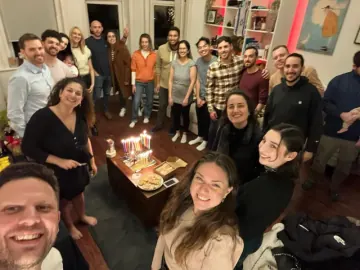
The meal opens with three small customs, in the same order almost everywhere. Two candles are lit to mark the start of Shabbat, a short blessing called Kiddush is said over wine or grape juice, and then a blessing over two plaited challah loaves, which are torn, dipped in a little salt and passed around the table. At a more traditional table there may also be a hand-washing custom before the bread and some singing between courses. Otherwise the whole sequence takes a couple of minutes and then dinner begins.
If you are heading to somebody else’s table rather than setting your own, our guide to what actually happens at your first Shabbat dinner walks through those same few minutes from a guest’s seat, with the etiquette questions answered.
The Shabbat dinner menu, course by course
This is where a Shabbat table becomes unmistakably an Israeli one. The food arrives in waves, and the pleasure of it is the abundance.
- Salatim to start. The table fills with small salads and dips before anything else: hummus, tahini, matbucha, a chopped Israeli salad, smoky roasted aubergine, sometimes chopped liver at an Ashkenazi table. Torn challah does the scooping.
- Soup. Golden chicken soup, often with kneidlach (matzo balls) or fine noodles. It is the Friday-night classic in Ashkenazi homes and a comfort in anyone’s.
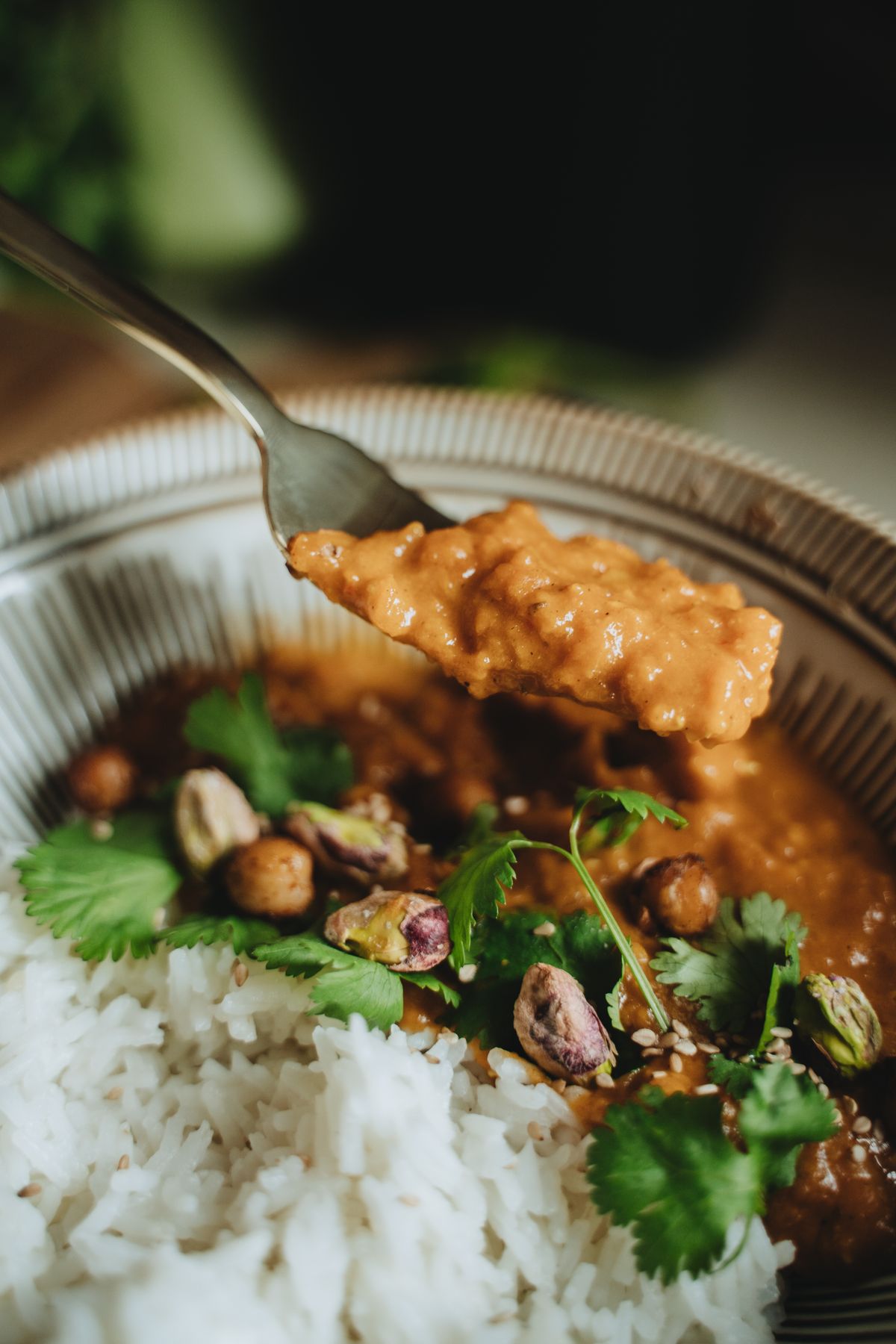
- The main. Roast chicken is the archetype, with schnitzel close behind, or a whole baked fish, slow-cooked meat, or stuffed vegetables. Sephardi and Mizrahi kitchens bring more heat and colour to the plate.
- The sides. Rice, roast potatoes, couscous, roasted root vegetables, and something green so it feels balanced.
- Something sweet. Fresh fruit, babka, or an Israeli-style cake with tea and coffee to see the evening out.
Nobody cooks all of that every week. A real Friday menu is two or three of these done properly, with the rest bought or brought. If you want to know where to buy the challah, the good tahini and the babka in London, our rundown of where the community eats has the shops and bakeries worth the trip.
Shabbat beyond Friday night
Friday night is the main event, but Shabbat carries on into Saturday. You do not need to do any of this, but it helps to recognise the words when you hear them.
- Shabbat lunch. A slower, later midday meal on Saturday. Its signature dish is cholent (chamin in many Sephardi homes), a rich stew left to cook overnight so nothing needs cooking on the day itself.
- Seudah shlishit. A light third meal in the late afternoon, often just bread, salads and tea as the day winds gently down.
- Havdalah. A short candlelit ceremony on Saturday night that marks the end of Shabbat and the start of the new week, with wine, a plaited candle and fragrant spices.
The same table logic scales up to the chagim, when the cooking gets more ambitious and the guest list longer. Our guide to Israeli holidays in London covers how the community marks them here.
How to host your first Shabbat dinner
Hosting is far less work than it looks, and it is the quickest way to turn a group of acquaintances into your people. You do not need a dining room, matching plates or a single word of Hebrew. You need a date, a menu you can actually cook, and more chairs than you own.
Keep the menu smaller than you think
- Cook one thing properly and buy the rest. A roast chicken or a tray of schnitzel is plenty. Three or four salatim from a good shop finish the table.
- Choose dishes that wait. Anything roasted, stewed or dressed in advance is your friend. Nothing that needs your attention in the ten minutes your guests arrive.
- One dessert, not three. Fruit and a bought babka is a complete ending.
- Say yes when people offer. Someone bringing dessert or a bottle is not a failure of hosting, it is how a table gets built.
What to buy, and where in London
- Challah. Two loaves is the traditional pairing, one is fine. The bakeries around Golders Green sell excellent ones, and Gail’s does a good plaited loaf if you are nowhere near.
- The Israeli shelf. Tahini, hummus, zaatar, olives, pickles and Israeli-style salads are easy to find across north London, and they do most of the work of a starter course.
- Wine or grape juice. One bottle for Kiddush, more if the table drinks. Grape juice matters if there are children or drivers.
- If a guest keeps kosher, ask them. Kitchens vary, so a quick question sorts it. Sealed wine, fruit and a bakery with a hechsher usually cover it, and people are used to being asked.
Our guide to Israeli food in London has the specific shops, bakeries and delis, including where to find decent tahini without paying delicatessen prices.
Setting the table
- Two candles. Any candlesticks work, and tealights work too. This is the one bit of staging worth doing.
- Wine and enough glasses. Everyone needs a sip, not a full glass, so small ones are fine.
- The bread and the salt. Two loaves under a cloth or a clean napkin, and a little dish of salt beside them.
- More chairs than matching chairs. A desk chair at the corner of the table is a sign of a good evening, not a badly set one.
Getting the timing right
Shabbat begins at sunset, which moves through the year, so the traditional start time drifts from very early in winter to quite late in summer. Most people hosting at home settle on a comfortable evening hour and hold it, so guests always know where they are. Give everyone one clear time, put the salatim out while the last arrivals are still taking their coats off, and do the candles, wine and bread once the room has gathered. Everything after that runs itself.
Who to invite
- Mix the room. A few people who know each other, a few who do not, and the evening does its own work.
- Keep a spare seat. The best Friday tables run slightly crowded, and an extra chair is an invitation waiting to happen.
- Invite the newest person you know. Whoever landed last month remembers exactly what a Friday night alone in a new city feels like. Our guide to finding your feet in the Israeli community here is worth passing on to them too.
If some of your guests have never sat at a Shabbat table, send them our first Shabbat dinner guide beforehand. It answers the small worries people are too polite to raise on the night.
Come to one of ours before you host your own
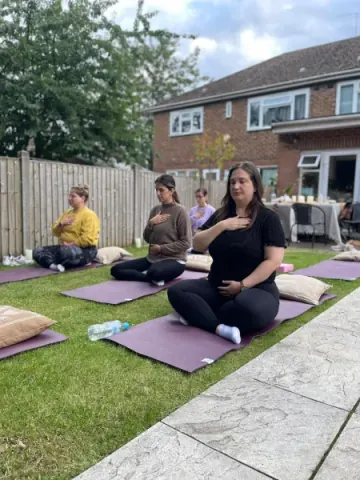
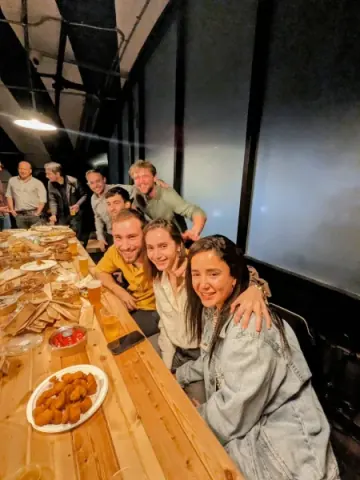
If hosting feels like a lot while you are still finding your feet, be a guest first. That is exactly what our Friday nights are for. HBayit has run open-door Friday-night dinners for 8+ years, and the room is about as come-as-you-are as it gets: students and families, people who have been in London a decade and people who landed on Tuesday. You bring yourself, we bring the challah.
You can read what one of our Friday-night dinners in London is actually like, see what else the community runs through the year in our guide to Jewish and Israeli events in London, and find the next few dates on our events page. Come for the food, stay for the table. Someone there was new once too, and they remember the seat that made London start to feel like home.
Common questions
What is a Shabbat dinner?
A Shabbat dinner is the Friday-night meal that opens Shabbat, the Jewish day of rest which runs from Friday at sunset to Saturday after nightfall. It is a weekly pause to slow down and eat well with the people you care about. A short set of customs usually opens it, lighting two candles, a blessing over wine and a blessing over the plaited challah bread, and then a long and generous meal.
What is on a Shabbat dinner menu?
It usually starts with salatim, the small salads and dips like hummus, tahini, matbucha and chopped Israeli salad, scooped up with torn challah. Then chicken soup, often with matzo balls or fine noodles, and a main of roast chicken, schnitzel or whole baked fish with rice, potatoes or couscous alongside roasted vegetables. Fruit and something sweet close it. Sephardi and Mizrahi tables lean spicier, Ashkenazi tables lean towards soup and roasts, and most Israeli tables borrow happily from both.
What time should a Shabbat dinner start?
Traditionally around sunset on Friday, when Shabbat begins, so the hour shifts through the year, early on winter evenings and late in summer. If you are hosting, most people settle on a comfortable evening hour and keep it roughly the same all year so guests always know where they are. Give everyone one clear time, because the candles, wine and bread happen once the room has gathered and the food follows straight after.
How do I host a Shabbat dinner for the first time?
Start smaller than you think. One main you can cook well, three or four salatim, good bread and a single dessert will carry the whole evening, and most of it can be made earlier in the day. Buy the challah rather than baking it, put out two candles, a bottle of wine and enough glasses for a sip each, and let anyone who offers bring the dessert. The table matters far more than the cooking, so invite a few more people than feels sensible and keep a spare chair.