The Best Israeli Restaurants in London: A Food Guide
The best Israeli restaurants in London, from Assaf Granit and Eyal Shani to the falafel counters, bakeries and food shops the community actually uses.

HBayit Community
Ask ten Israelis in London where to eat and you will get ten confident, contradictory answers. That argument is the whole point of a list like this one.
There is more Israeli cooking in this city than most people expect. Chefs who built their names in Jerusalem and Tel Aviv run rooms here, the pita counters are the real thing, and the food shops stock what you cannot explain to anyone who did not grow up on it. So here is our guide to the best Israeli restaurants in London, along with the bakeries and shops that do the unglamorous work in between.
We are a community rather than a review desk, so there are no scores and no ranking. What there is instead is a lot of meals in these rooms, the same handful of names coming up at every Friday table, and a fair sense of what each place is good for. Each section opens with the cards, which are the shortlist and the map links, and the write-ups sit underneath them.
The Israeli chefs who took over central London
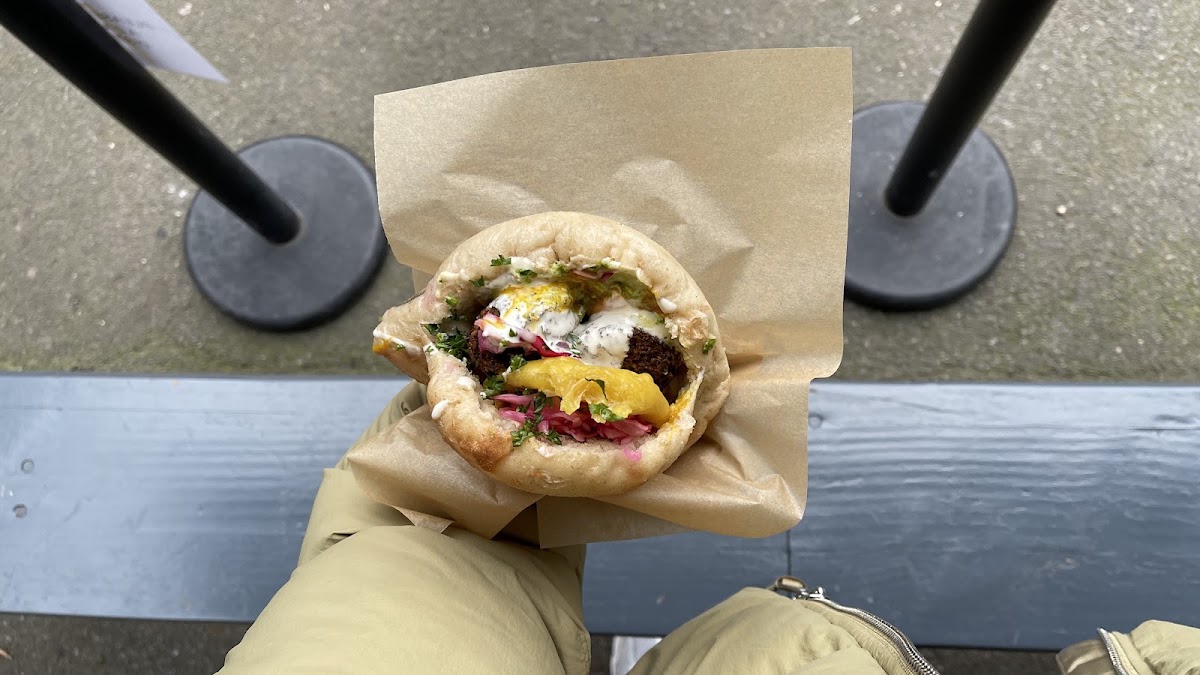
Pockets
The best falafel in the city, one perfect stuffed pita
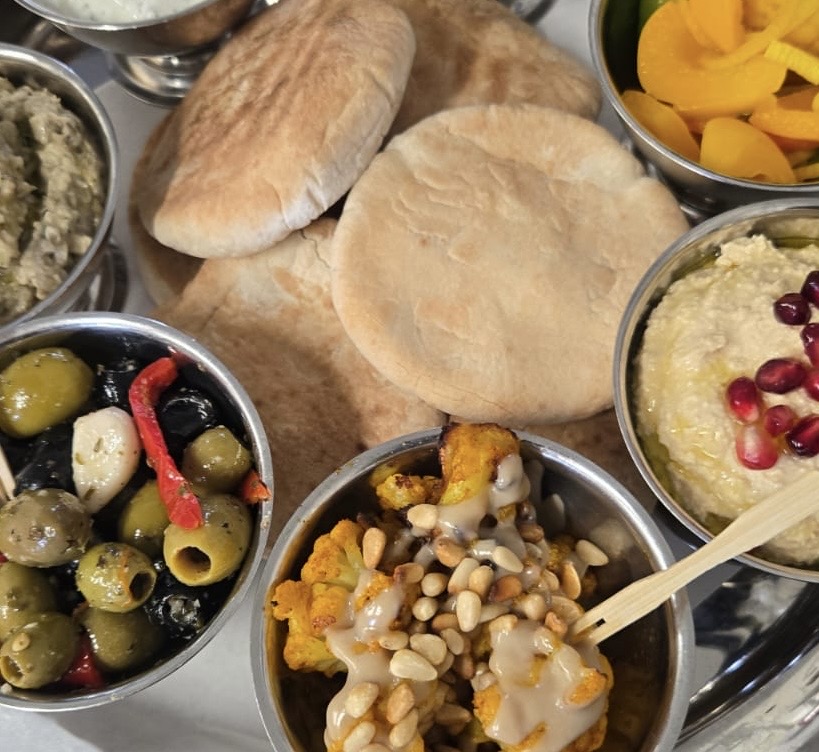
La-Yam
A rooftop bar with Levantine food and the best views in London
The Palomar
Modern Jerusalem cooking around a buzzing counter
Assaf Granit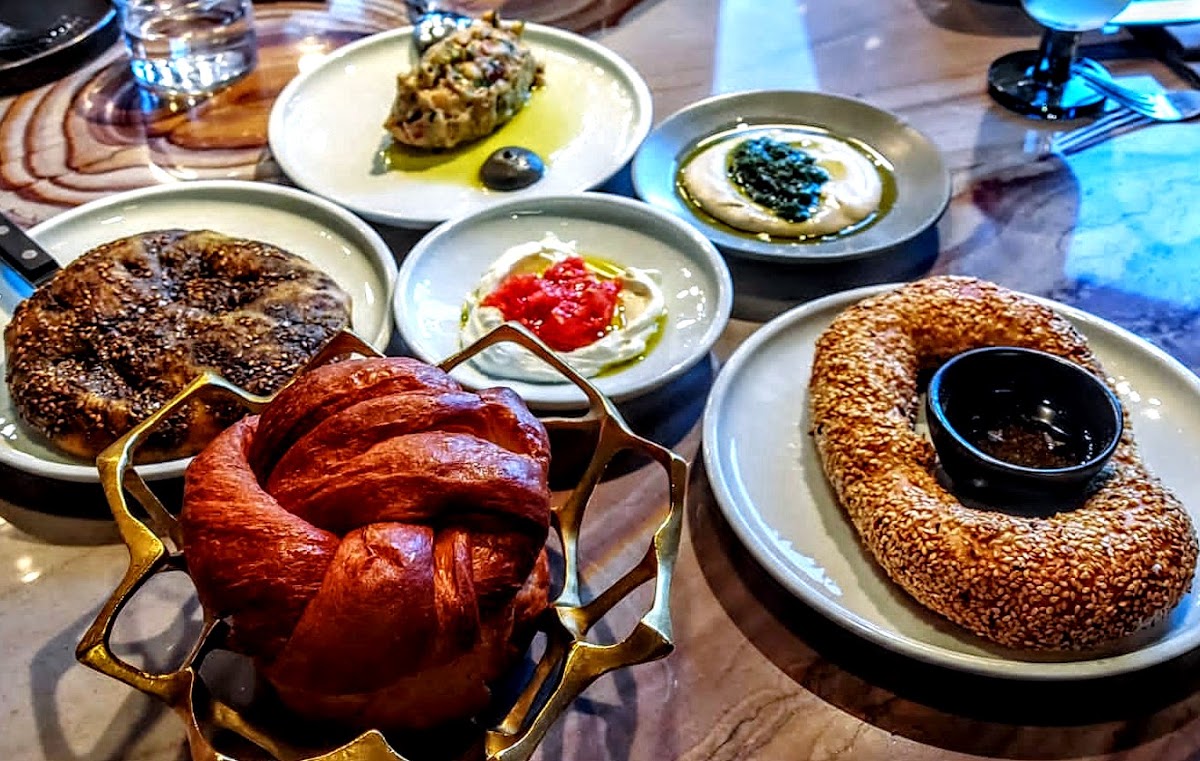
Coal Office
Jerusalem-Med cooking in a Tom Dixon space
Assaf Granit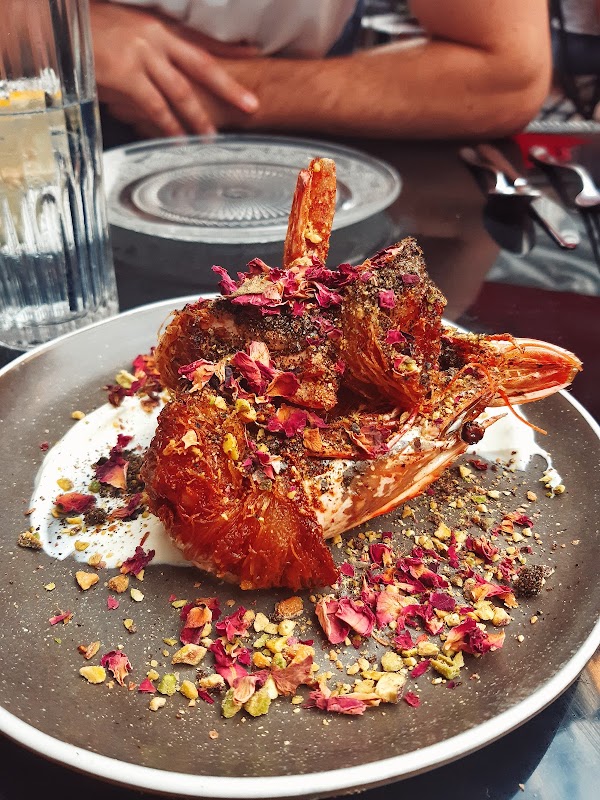
Bala Baya
Tel Aviv on a plate, in a Bauhaus-styled room
Eran Tibi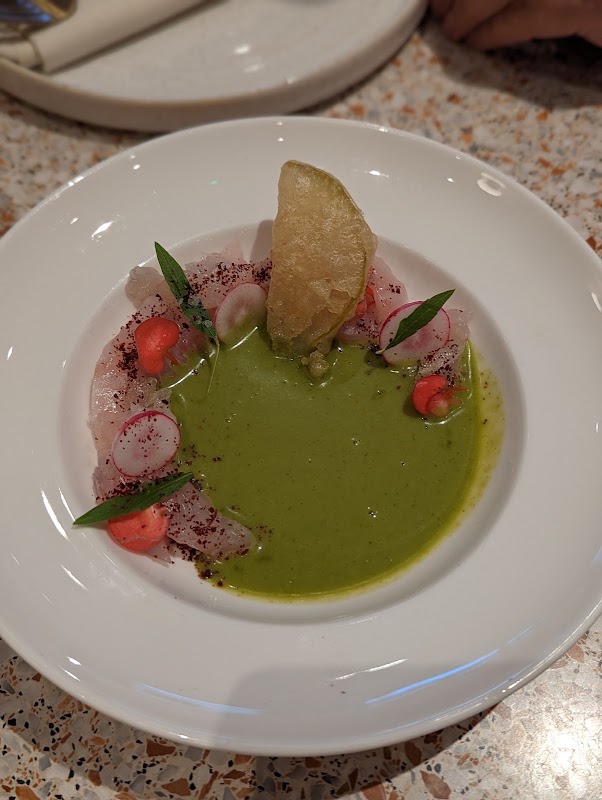
Kapara
Tel Aviv small plates and a party downstairs
Eran Tibi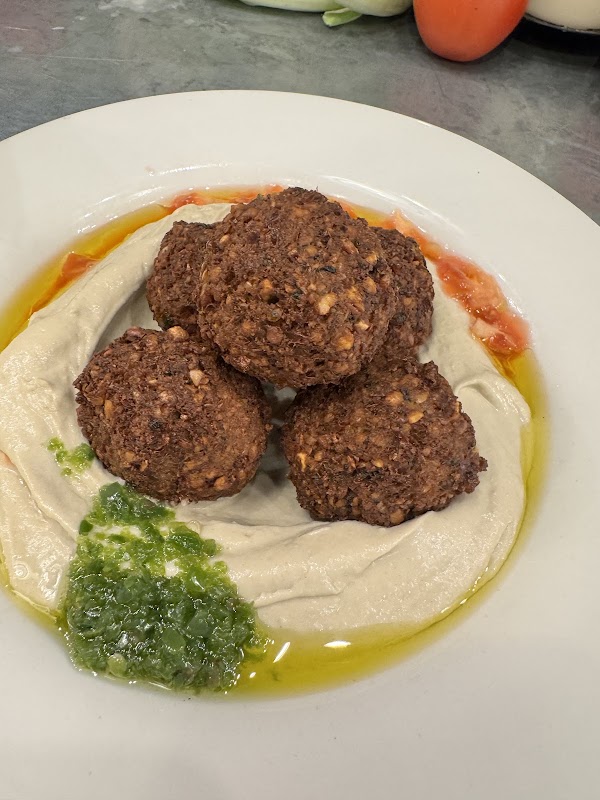
Miznon
The loaded-pita phenomenon
Eyal Shani
Erev
Miznon's grown-up dinner sister
Eyal Shani
Ottolenghi
The delis that taught London za’atar
Yotam Ottolenghi
NOPI
Ottolenghi's Soho sit-down restaurant
Yotam Ottolenghi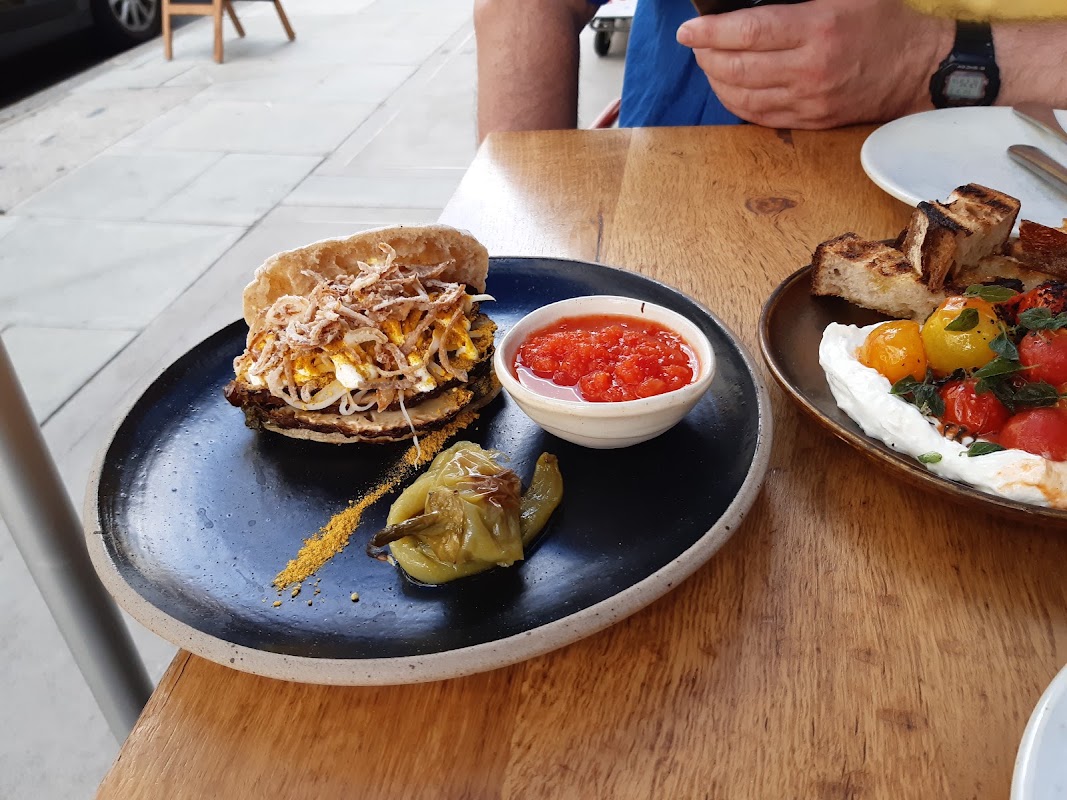
ROVI
Vegetable-led, fire and fermentation
Yotam Ottolenghi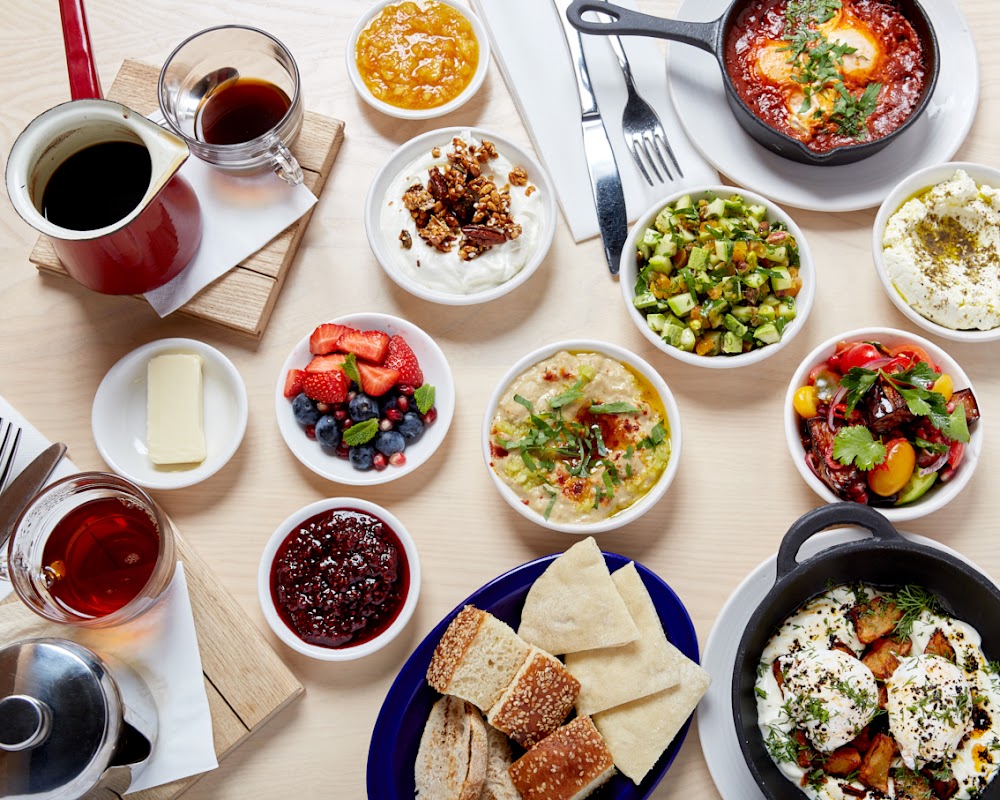
Honey & Co
The beloved little Middle Eastern restaurant
Sarit & Itamar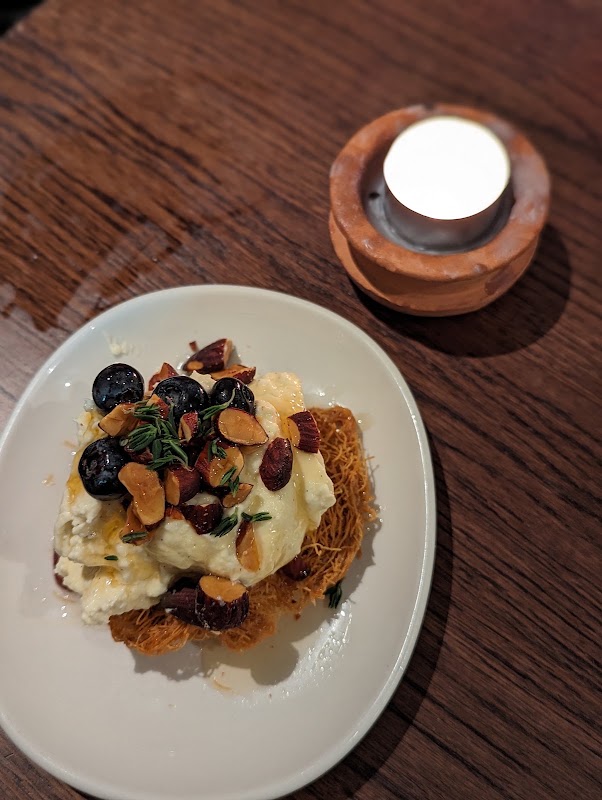
Honey & Smoke
The grill-house sibling of Honey & Co
Sarit & Itamar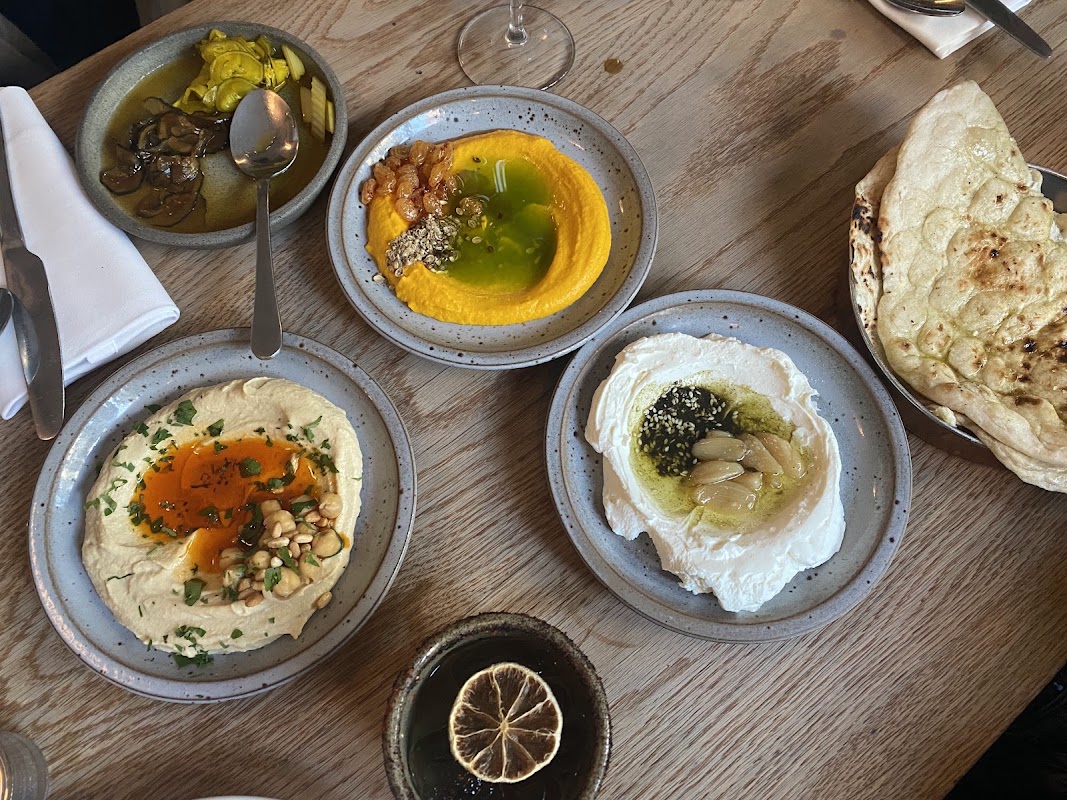
Bubala
Israeli-style vegetarian sharing plates
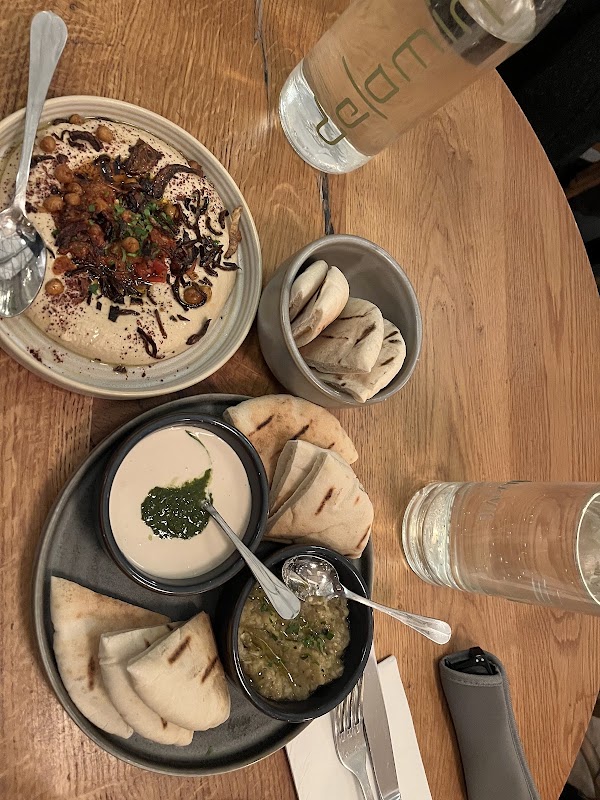
Delamina
Modern Eastern-Med sharing plates
Israeli food reached central London through a small number of chefs, most of whom already had a restaurant in Jerusalem or Tel Aviv before they opened one here. Knowing whose kitchen you are sitting in explains most of what is on the menu, so that is how the write-ups below are grouped.
Assaf Granit: The Palomar and Coal Office
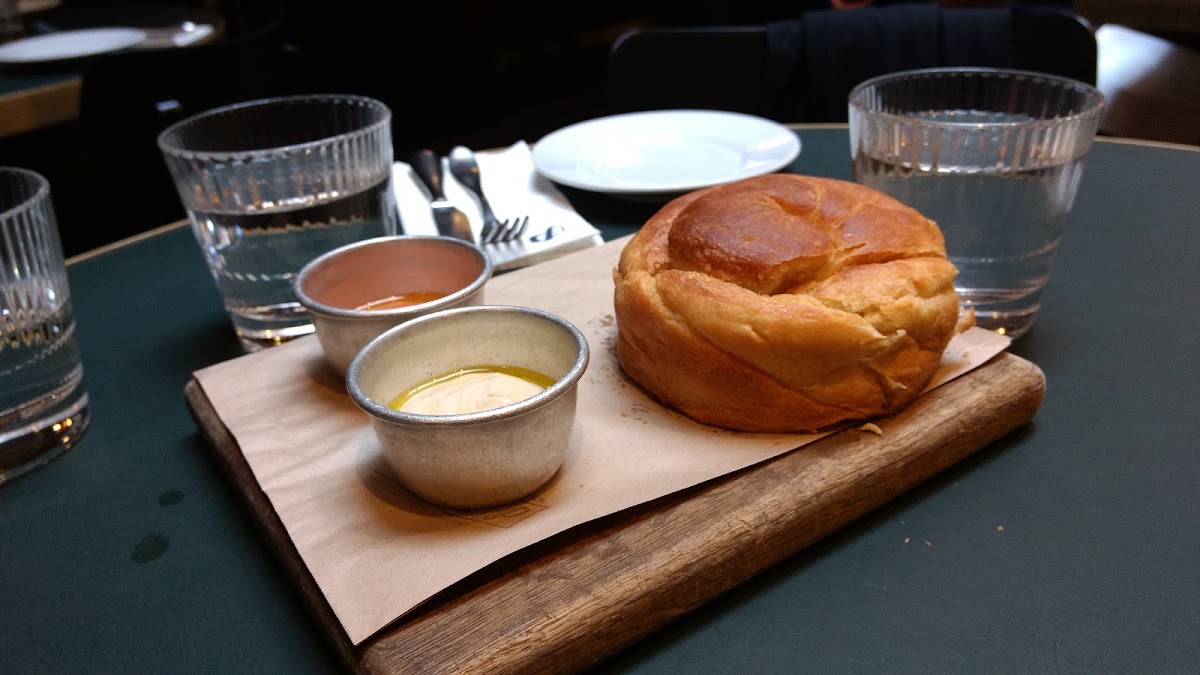
Granit built Machneyuda in Jerusalem, the restaurant that made market cooking loud and theatrical, and The Palomar in Soho is its London relative. Sit at the counter if you can get on it. You eat an arm’s length from the pass, the kitchen sings along to whatever is playing, and the kubaneh with tahini and grated tomato is the dish to order before you have finished deciding anything else. Book ahead.
Coal Office is the bigger, quieter one, in Coal Drops Yard at King’s Cross, with Tom Dixon’s studio upstairs and a fit-out to match. The same Jerusalem and Mediterranean cooking, more room to breathe, and a menu built for sharing across a table of six rather than perching two-up at a bar.
Eyal Shani: Miznon and Erev
Shani is the chef who persuaded the world to eat a whole roasted cauliflower, and Miznon is his format distilled: a pita, something remarkable inside it, and a room that shouts. You order at the counter and watch everything come out of one small kitchen. It is the least ceremonial way into this cooking and the easiest place to take someone who has never tried it.
Erev is the evening version, a proper sit-down room in Notting Hill for when a pita on your feet is not the mood. Vegetables treated as the main event rather than the supporting cast, fish, wine, and tables you can stay at.
Eran Tibi: Bala Baya and Kapara
Tibi grew up in his father’s Tel Aviv bakery, and the bread is the first thing that tells you so. Bala Baya sits under the railway arches near Southwark in a white, Bauhaus-leaning room, and the cooking leans Tel Aviv rather than Jerusalem: brighter, more citrus and raw vegetables, less smoke. It works best as a long weekend lunch.
Kapara in Soho is the night out. Small plates upstairs, music and a party downstairs.
Yotam Ottolenghi: Ottolenghi, NOPI and ROVI
Ottolenghi is a large part of the reason a British supermarket now sells za’atar. The delis came first and still work the same way: a window of salads and slabs of cake, and a handful of tables. Take it away and eat in the park, or squeeze in at the shared table and accept that you will order cake.
NOPI in Soho is the sit-down restaurant, more precise and more expensive, with the sharing format intact. ROVI in Fitzrovia is the fire and fermentation one, vegetable-led with meat and fish alongside, and it is the room to book for a vegetarian who has been handed one risotto too many.
Sarit and Itamar: Honey & Co and Honey & Smoke
Sarit Packer and Itamar Srulovich cook the food you would actually be given in someone’s home, which is far harder to pull off in a restaurant than it sounds. Honey & Co is the small one in Bloomsbury, warm and tightly packed, and the feta cheesecake is the dish everyone tells you about afterwards.
Honey & Smoke in Fitzrovia is the grill, a bigger room built around the mangal: skewers, flatbread straight off the heat, and salads that are not an afterthought. Go with enough people to order across the whole menu.
The rest of the shortlist
Pockets in London Fields does one thing, a stuffed pita, and has never needed a second. Bubala in Soho and Spitalfields is entirely vegetarian and tends to convert people who did not plan on a vegetarian dinner, usually somewhere around the grilled halloumi. Delamina in Marylebone is the dependable Eastern Mediterranean sharing menu for a table with mixed opinions and one fussy eater. La-Yam in Holborn is a rooftop, so the view is doing part of the work, but the Levantine plates hold their end up.
If you keep kosher
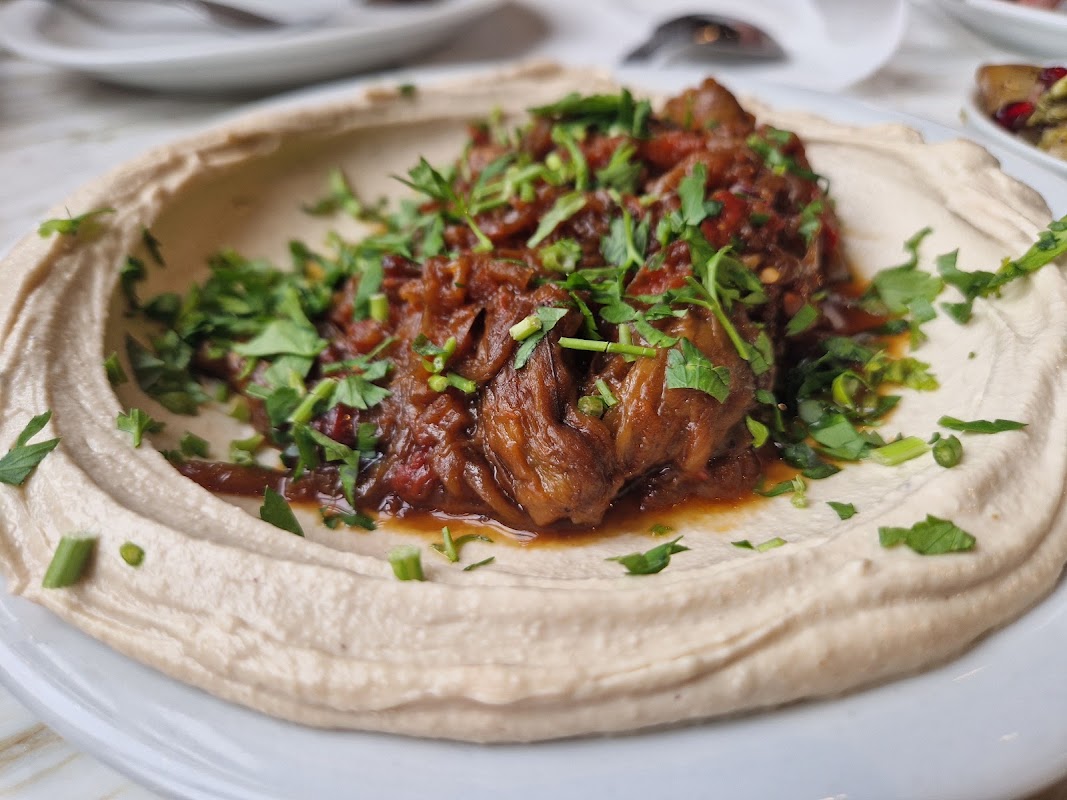
Mazal
Kosher Tel Aviv street food
Neta & Aviv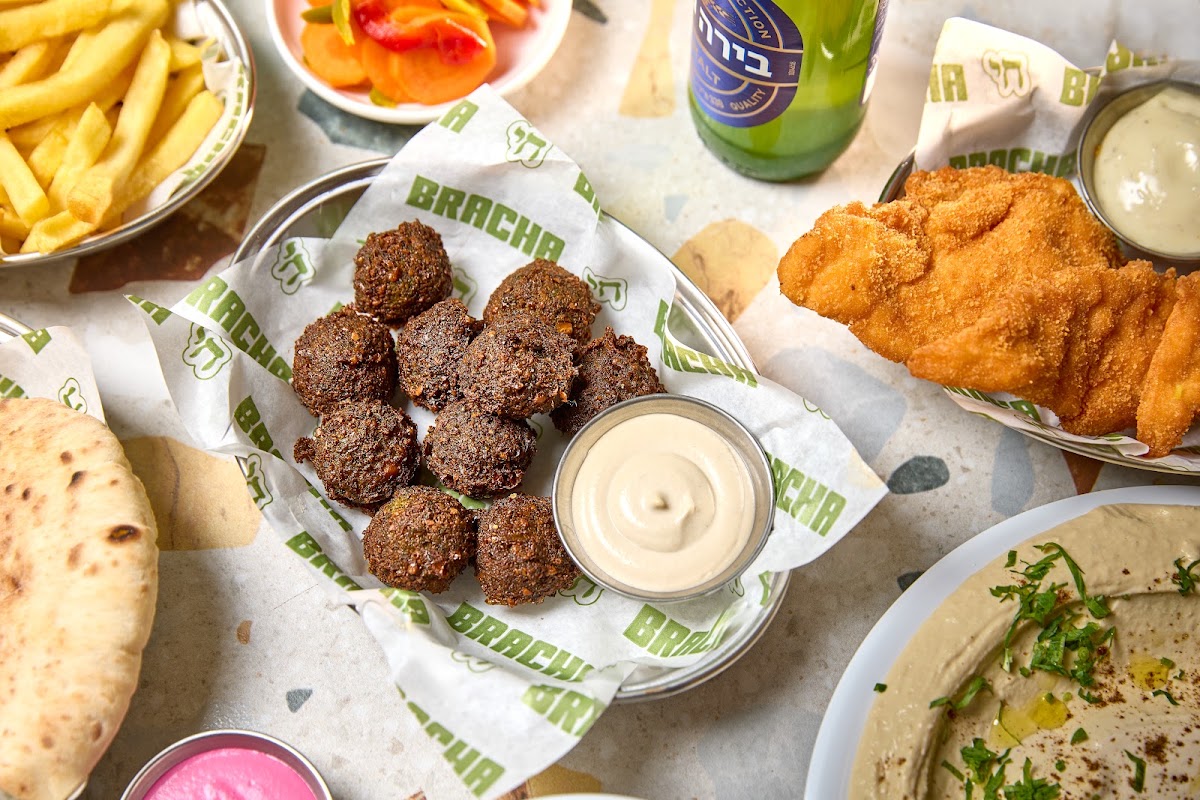
Bracha
Mazal's Golders Green sister
Neta & Aviv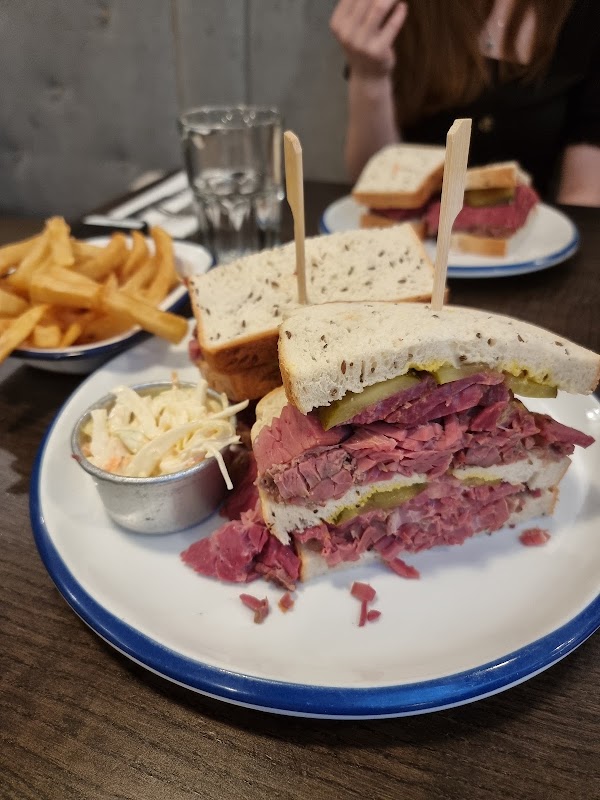
Reuben's
The Marylebone kosher institution, a meat deli
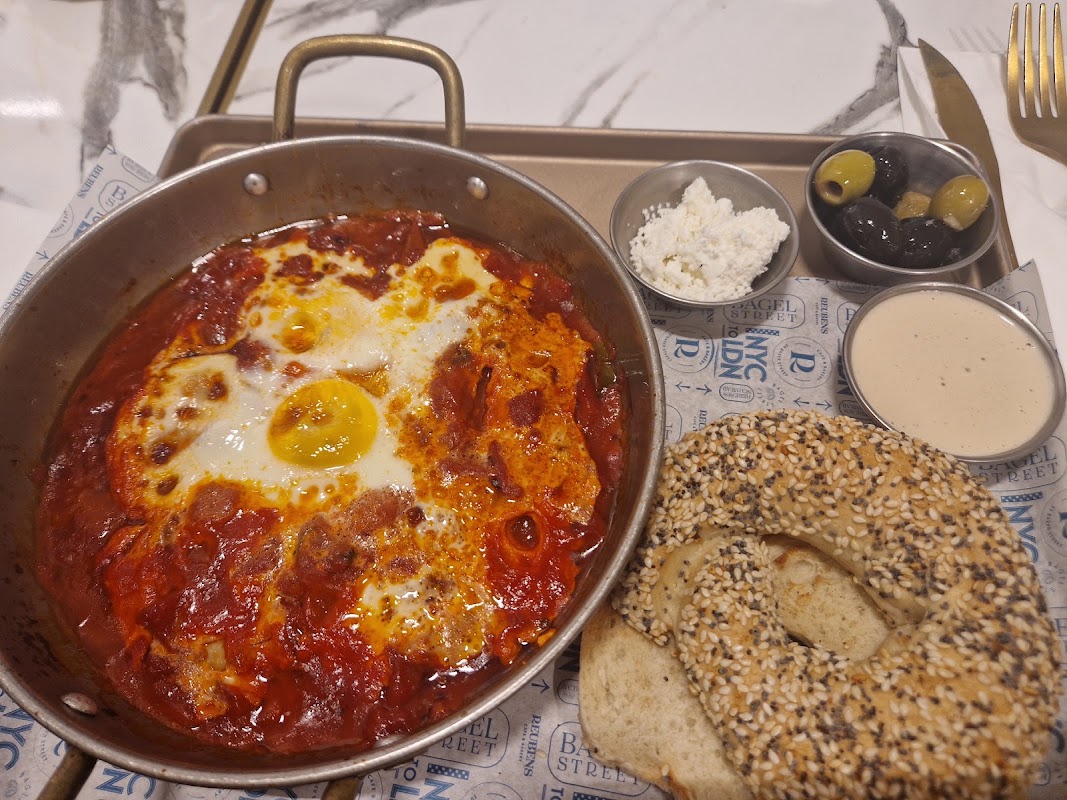
Reuben's Cafe
Its dairy sibling: bagels and brunch
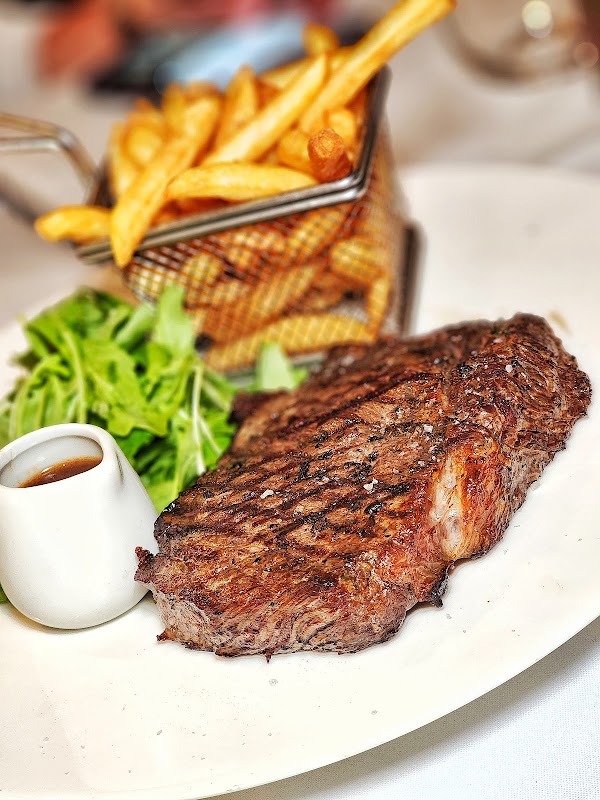
Tony Page
Upscale kosher dining
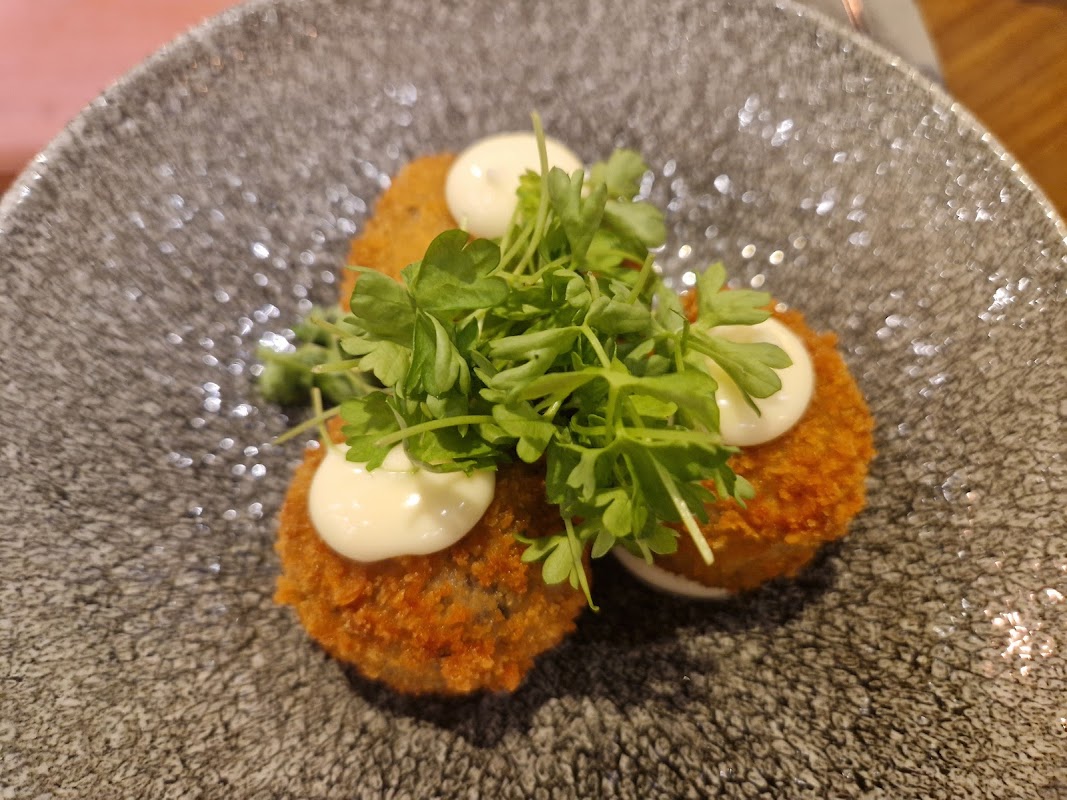
Tish
Grand-cafe Jewish dining
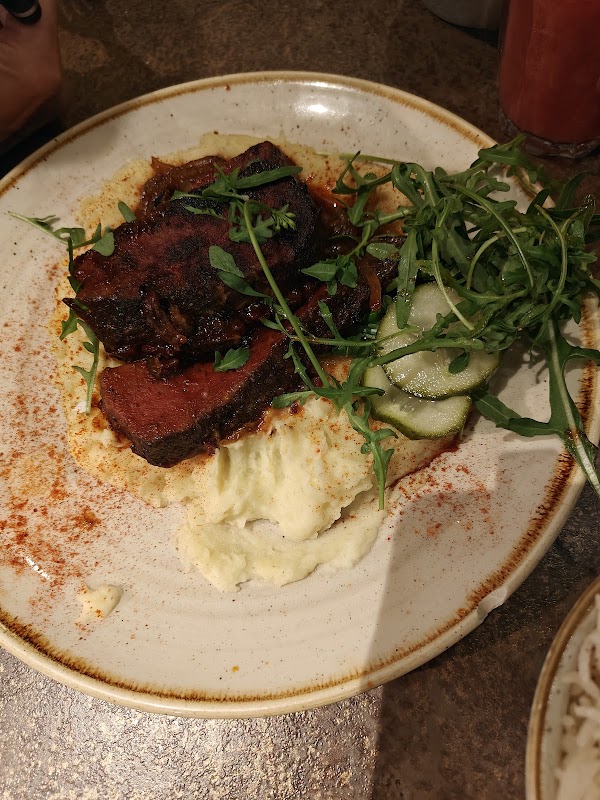
Hummus Bar
Exactly what it says, plus grills
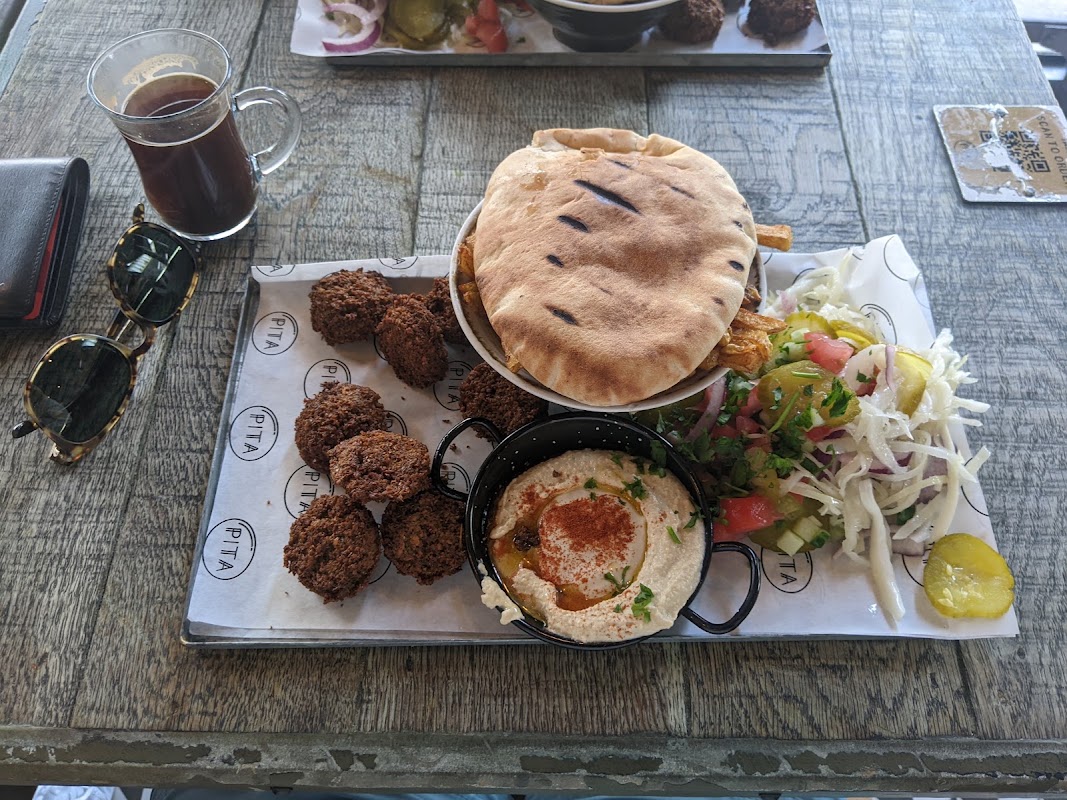
Pita
Casual kosher falafel and shawarma
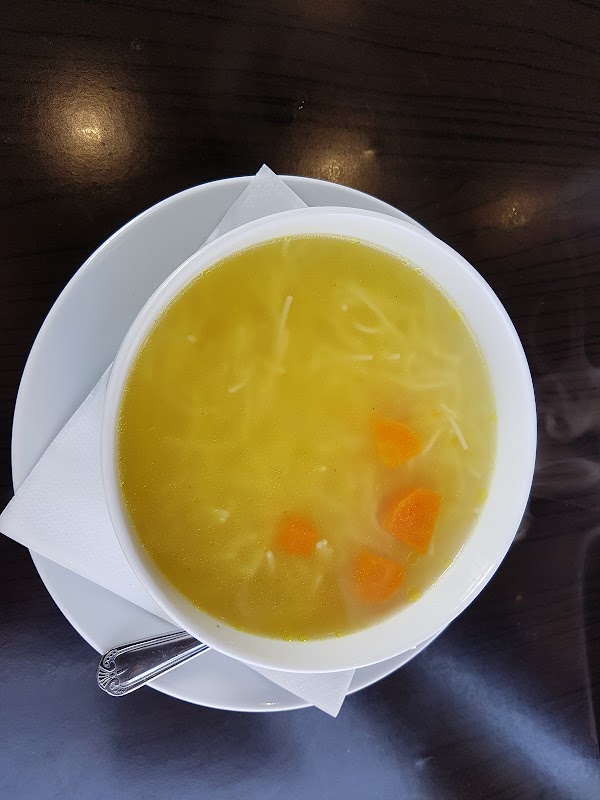
Sami's
Kosher grills and shawarma
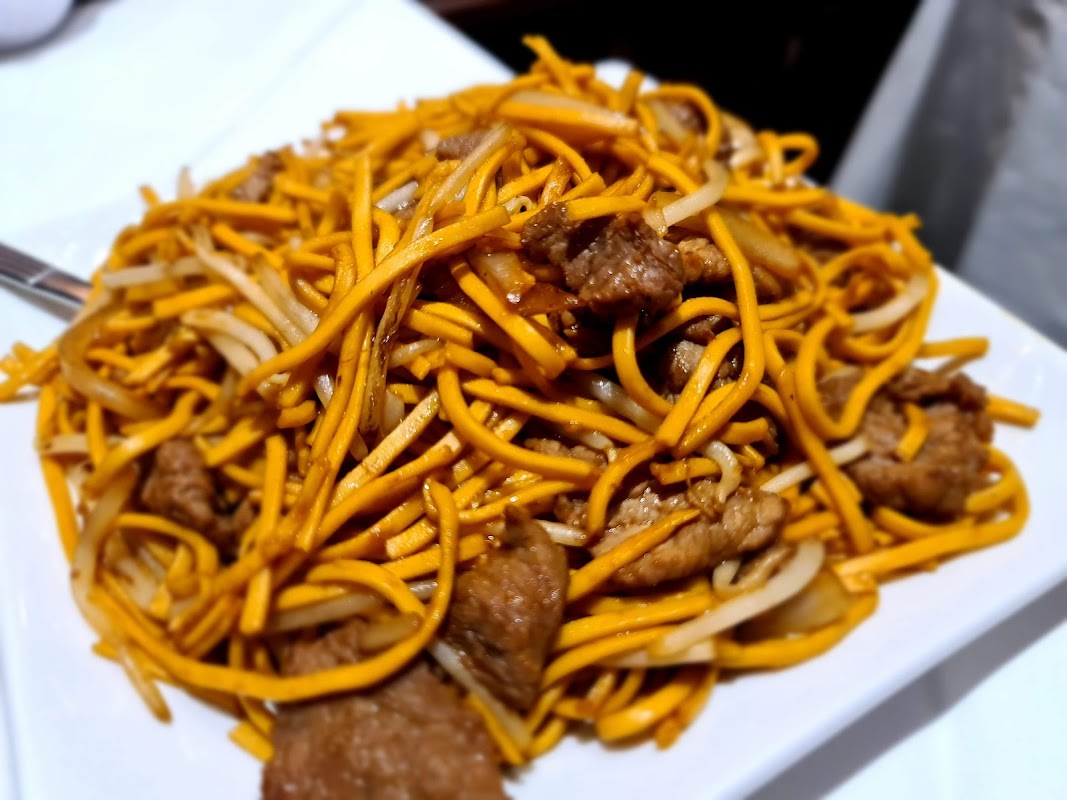
Kaifeng
The kosher Chinese institution
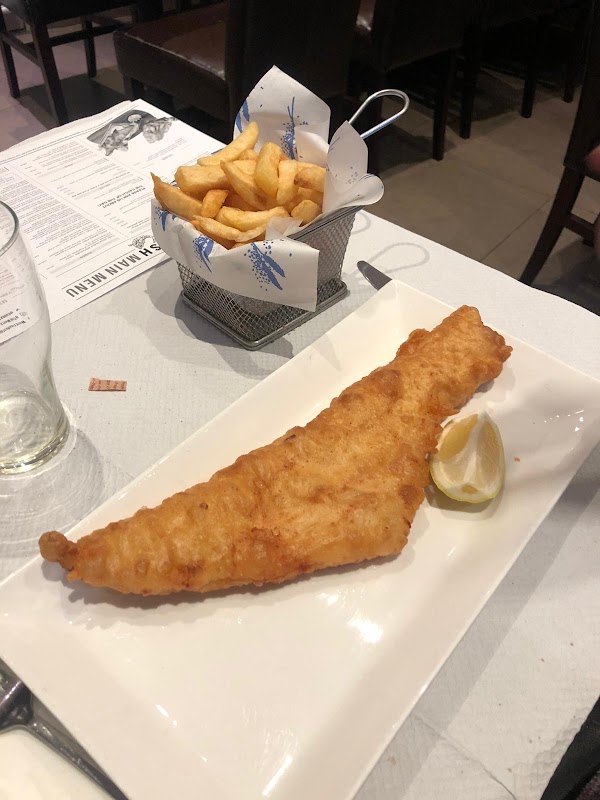
White Fish
Fish and chips and sushi, kosher
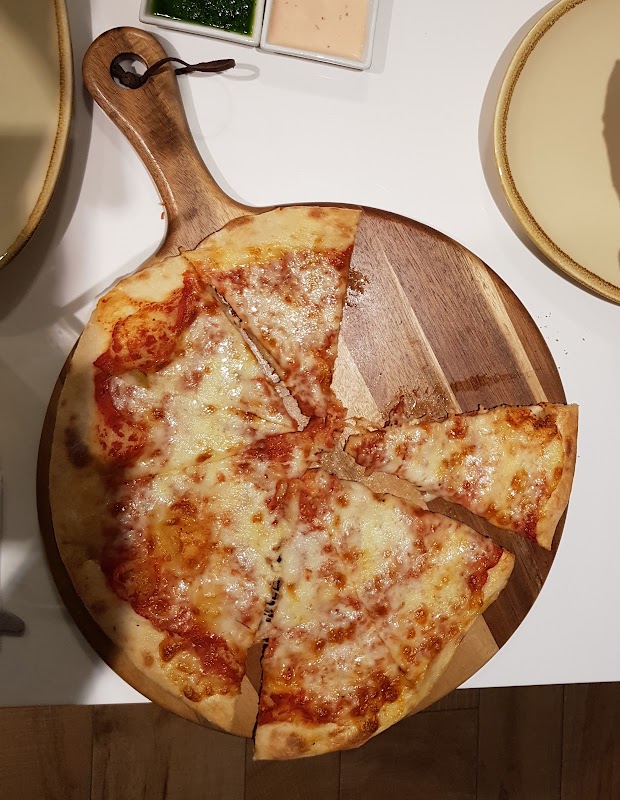
Pizaza
Kosher dairy pizza
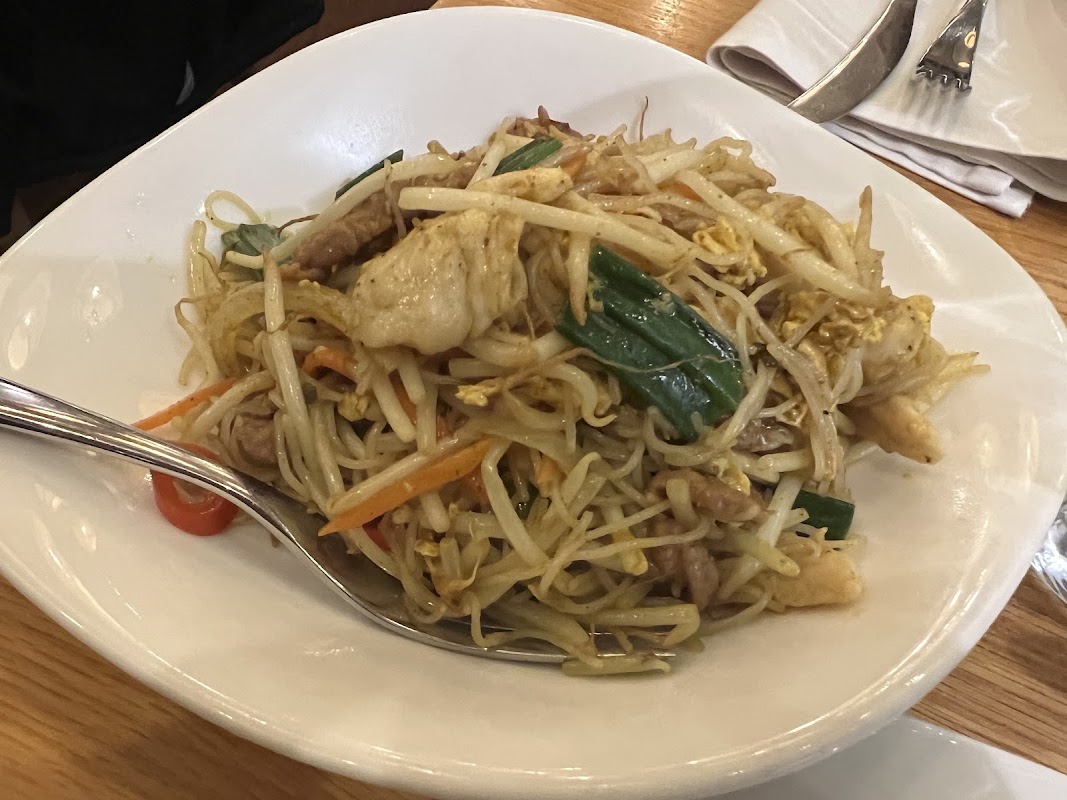
Met Su Yan
Kosher pan-Asian
Kosher dining in London splits neatly by geography. The central options are the ones to know if you want dinner that is not a trek from the West End. Reuben’s is the Baker Street fixture, a meat deli with its dairy cafe over the road for bagels and brunch, and Tony Page covers the smarter end of Marylebone. Mazal in Camden and its Golders Green sister Bracha cook Tel Aviv street food, so they are where the two halves of this guide overlap most directly. Tish in Belsize Park is the grand-cafe option.
North-west London is where the everyday eating happens. Hummus Bar and Pita in Golders Green, Sami’s across Hendon and Edgware for grills and shawarma, Kaifeng for Chinese, Met Su Yan for pan-Asian, White Fish for fish and chips or sushi, Pizaza for pizza. Between them you can eat a full week without repeating yourself.
Supervision varies from venue to venue and can change, so check the certificate on the door or the website if it matters to you.
Bakeries and cafés
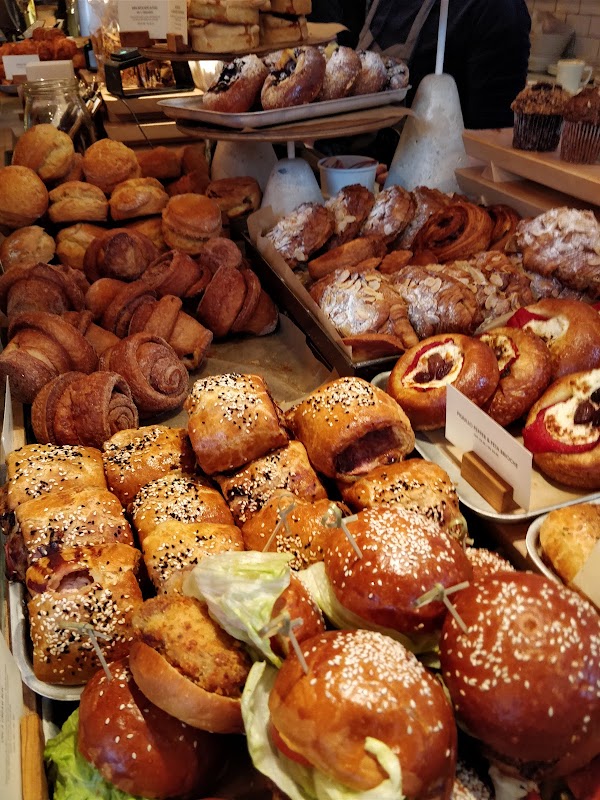
Gail's
Israeli-founded, great challah and babka
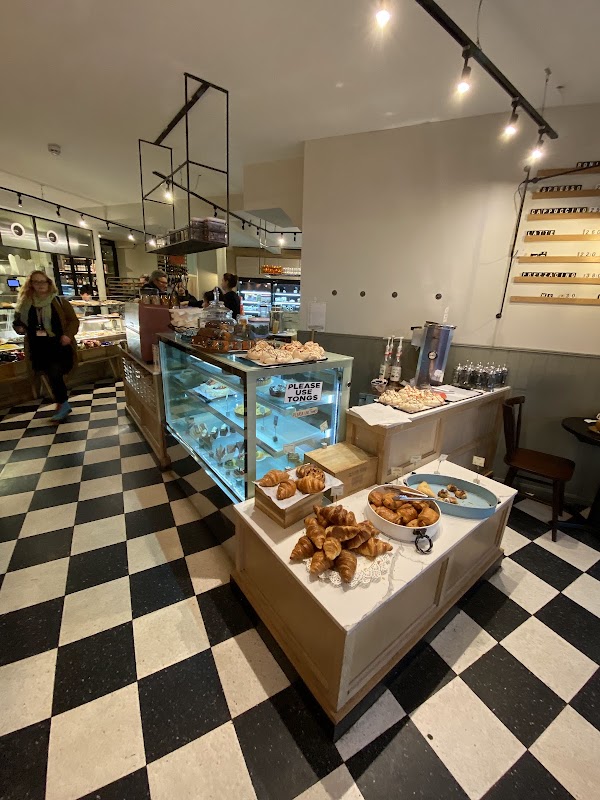
Roni's
The Israeli bagel and shakshuka cafe
Beit Cafe
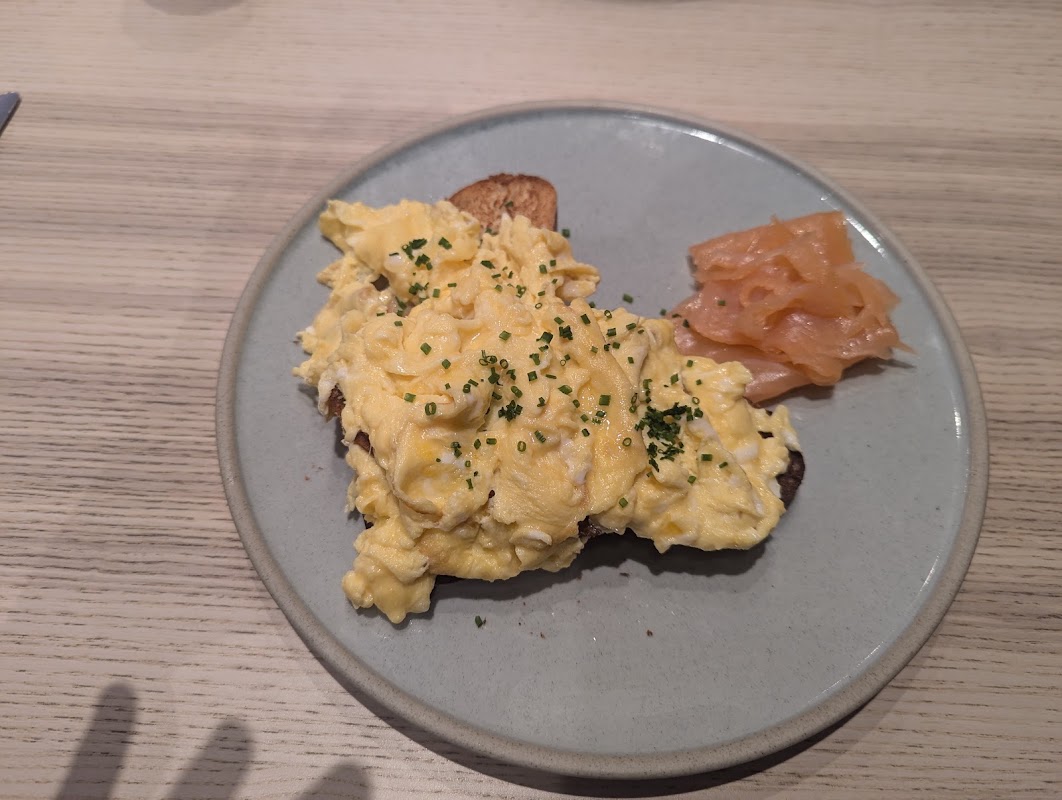
Israeli kosher dairy cafe: shakshuka and malawach
Don't Tell Dad
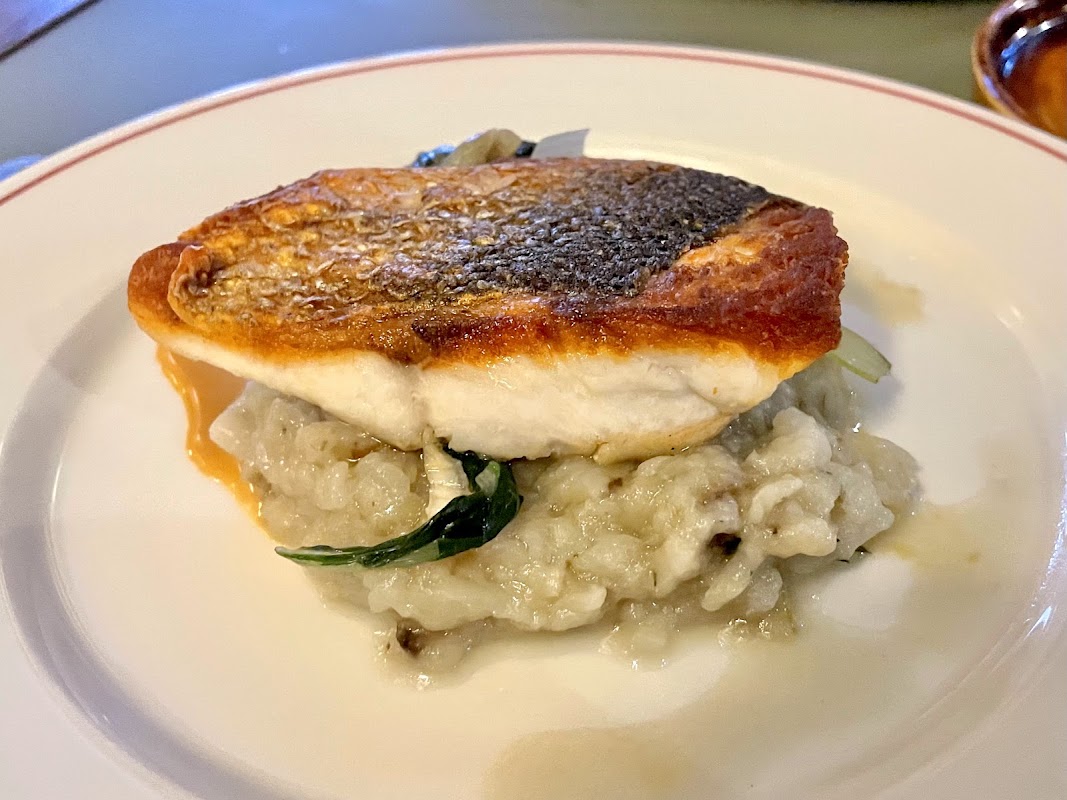
All-day bakery and restaurant
Carmelli
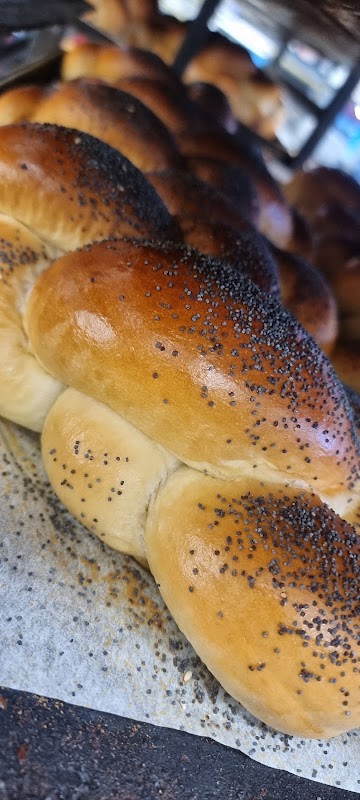
Kosher bakery institution
Grodzinski
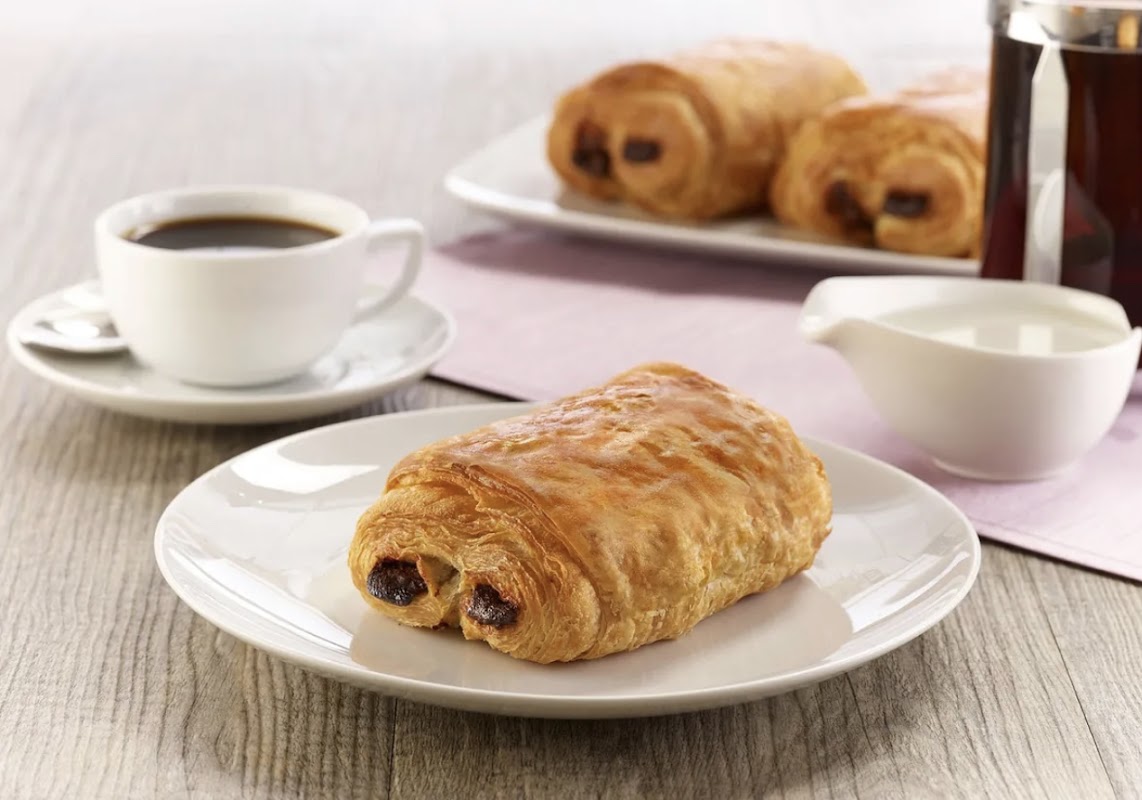
Kosher bakery, challah and cakes
Hendon Bagel Bakery
Kosher bagel bakery
Daniel's
Kosher bagels and bread
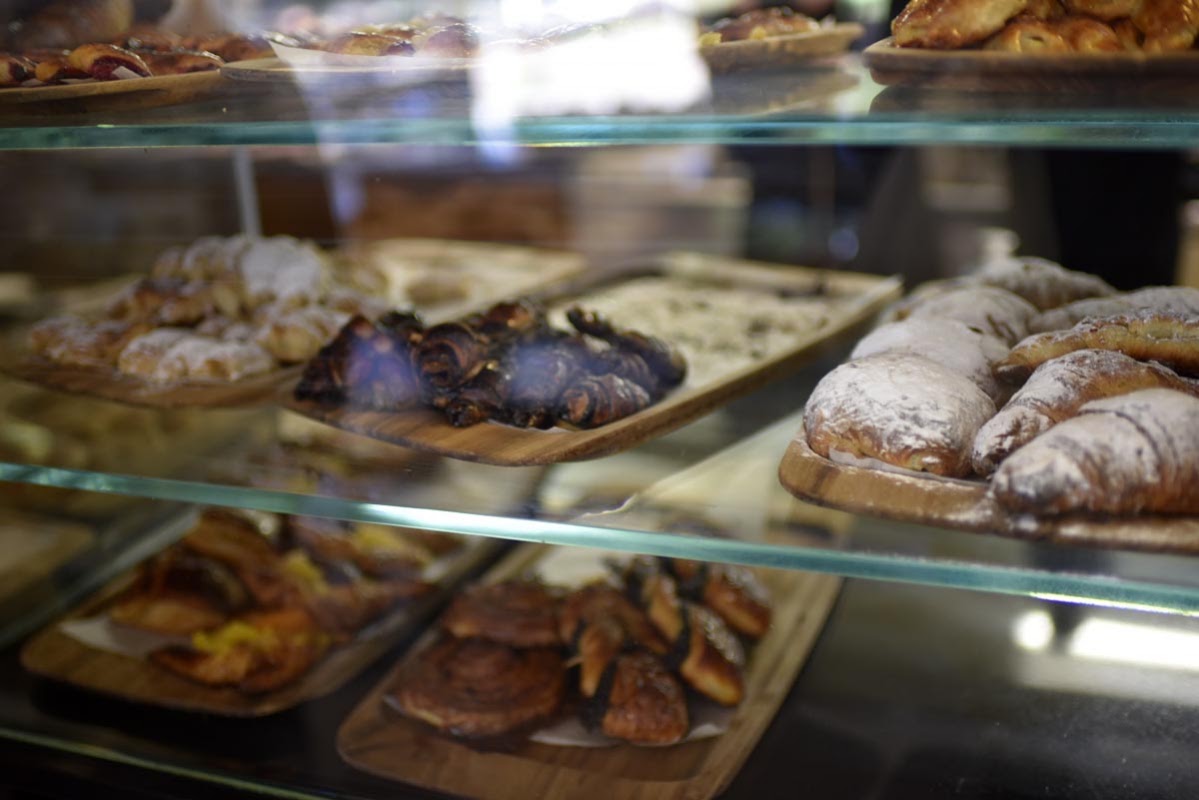
Bread is usually where homesickness starts. Gail’s is Israeli-founded and close to unavoidable, and its challah on a Friday afternoon is the reason half the community knows exactly which branch is on their walk home. Roni’s in Belsize Park and Hampstead is the Israeli bagel and shakshuka cafe you end up at on a Sunday morning without having planned to. Don’t Tell Dad in Queen’s Park is the all-day version, bakery and restaurant in one. Beit Cafe in Golders Green does the dairy Israeli breakfast, shakshuka and malawach, and is kosher.
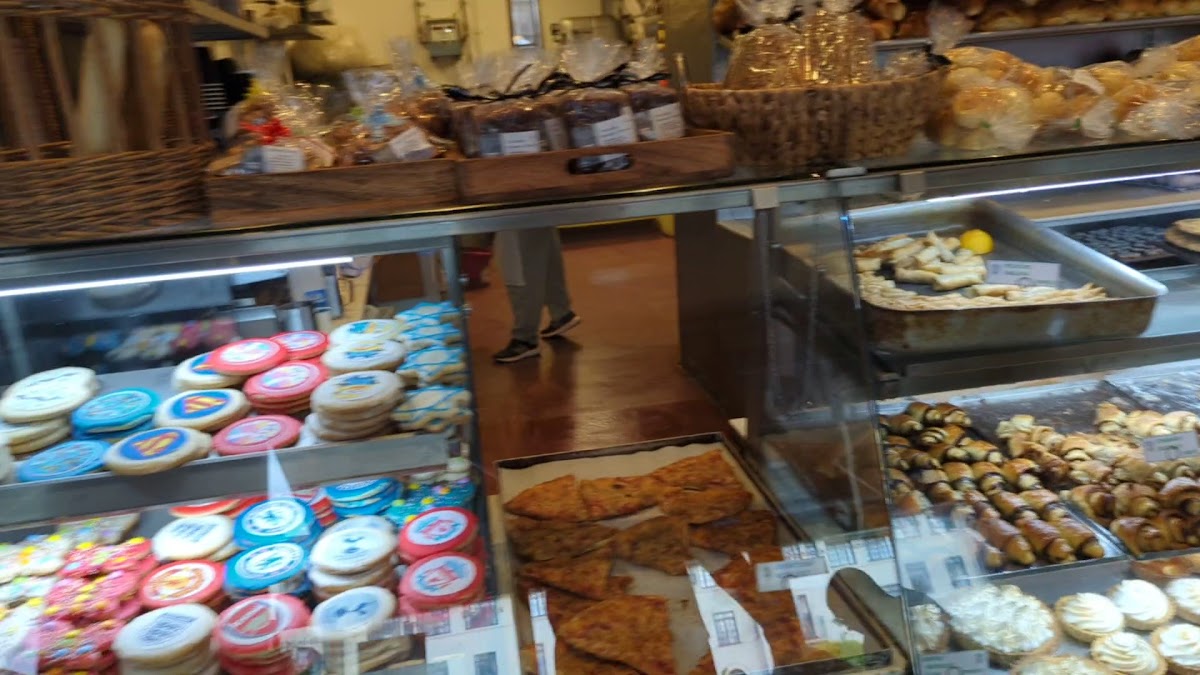
For challah, rugelach and the rest of the weekend order, the north-west London bakeries are the real thing: Carmelli and Grodzinski in Golders Green for challah and cakes, Hendon Bagel Bakery and Daniel’s in Temple Fortune for bagels by the dozen. Thursday evening and Friday morning are the busy hours, so go early if you want a choice.
The Israeli & kosher supermarkets
Kosher Kingdom
The full kosher supermarket
B Kosher
Kosher supermarket, the weekly shop
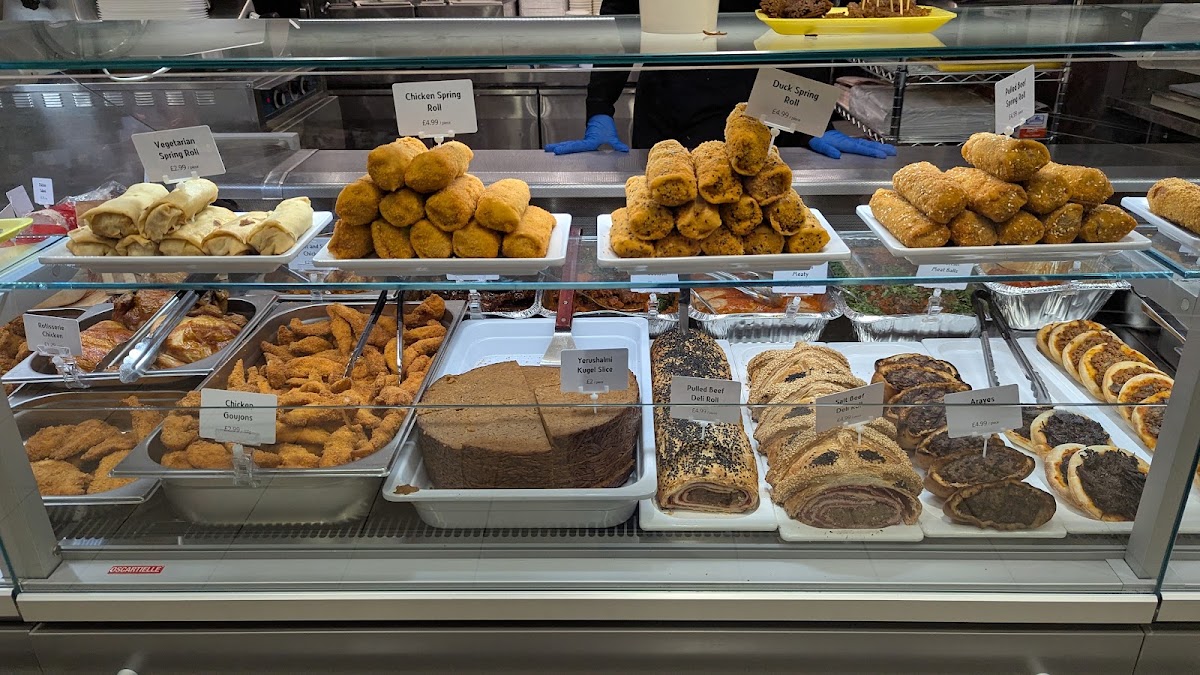
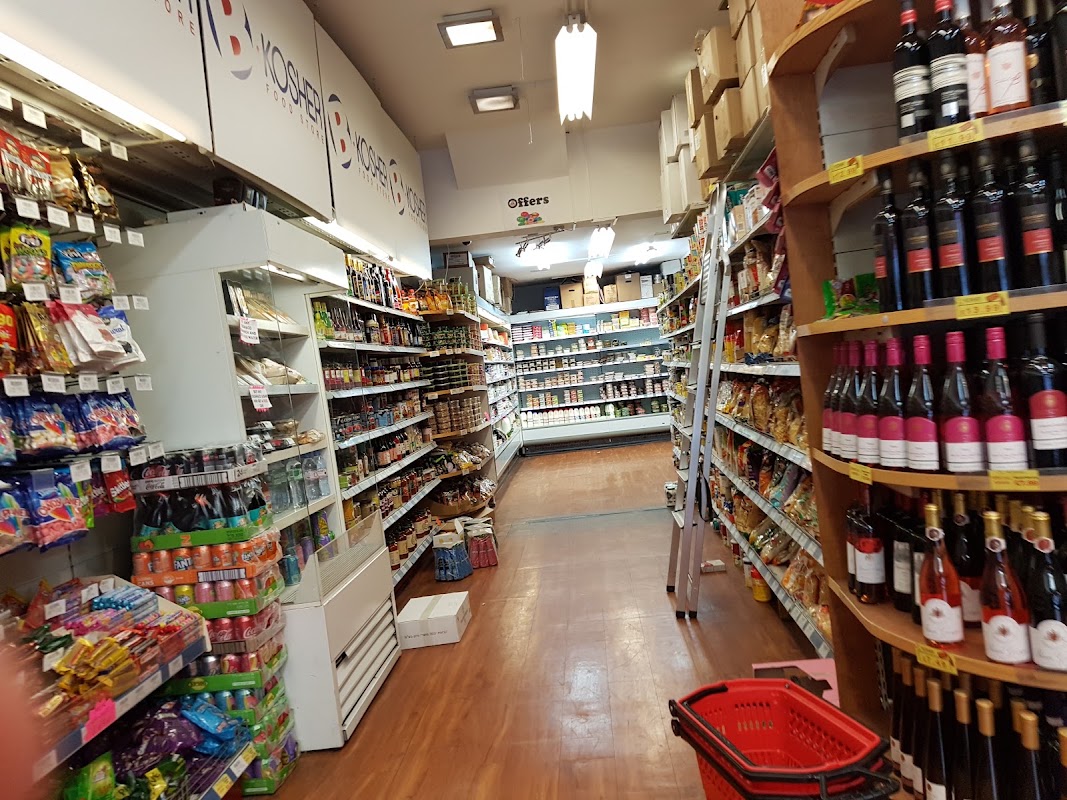
This is the other half of the question, which is where to buy Israeli food in London rather than where to eat it. Kosher Kingdom in Golders Green and B Kosher in Hendon are the two full supermarkets, and they are where the Israeli aisle actually lives: Bamba and Bissli, the Osem shelf, halva by the slab, the pickles, the frozen malawach and jachnun, and cottage cheese in the right tub. Budget more time than you think for the first shop in either one.
Outside north-west London the pantry is still within reach. The large Turkish and Middle Eastern supermarkets, the ones along Green Lanes in Harringay and the cluster around Edgware Road, carry tahini, za’atar, olives, spices, nuts and dried fruit. The mainstream supermarkets have caught up on tahini, pomegranate molasses and passable hummus. What stays genuinely hard to replace is the produce and the bakery on the corner, which is a fair part of why this guide keeps coming back to bread.
If you are stocking up for a Friday dinner or a holiday table, do the bakery run on the Thursday and leave the vegetables to the morning of.
The best table is still a home one
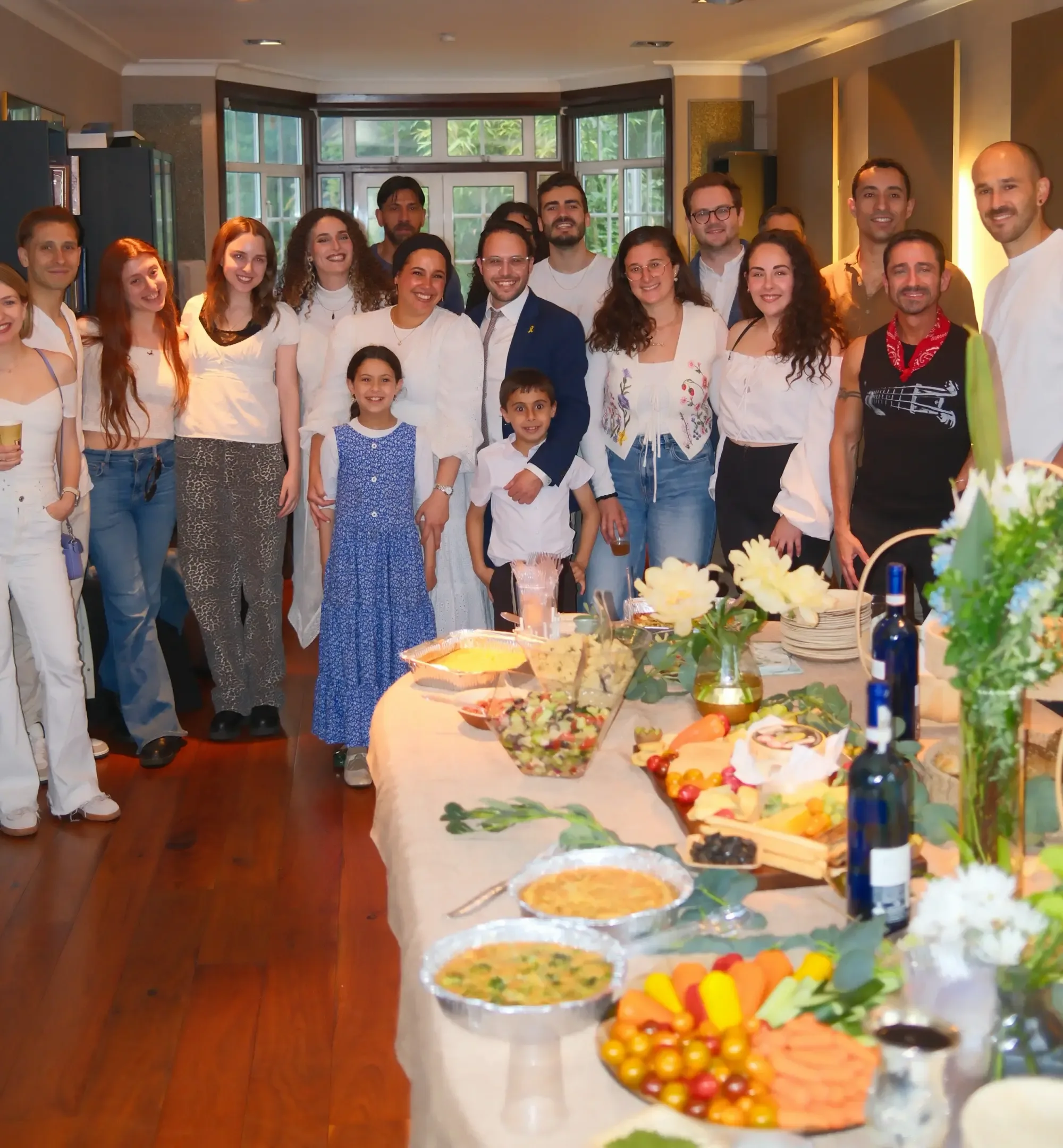
The shops and restaurants make the food easy, but the community is what turns a Friday dinner into the thing you look forward to all week. If you have only just landed or are still working out which neighbourhood to live in, come and eat with us.
Our Friday dinners are open to everyone, the holiday gatherings are the busiest nights of the year, and the rest of the community events run right through the calendar. You are welcome at any of them.
Common questions
What is the best Israeli restaurant in London?
There is no single answer, and anyone who gives you one is really describing their own good night out. For a counter seat and some theatre, The Palomar in Soho. For a table of six with room to talk, Coal Office at King's Cross. For a fast pita, Miznon. For home cooking done properly, Honey & Co. For a vegetarian who is tired of being an afterthought, ROVI.
Where do Israelis eat in London?
Central London for the restaurants, because most of the chef-led Israeli rooms are in Soho, Fitzrovia, Marylebone, King's Cross and Notting Hill. North-west London for the everyday food, which means Golders Green, Hendon and Temple Fortune for bakeries, grills and the weekly shop. Most people move between the two depending on the occasion.
Where can I buy Israeli food in London?
Kosher Kingdom in Golders Green and B Kosher in Hendon carry the Israeli brands, from Bamba and Bissli to halva, pickles and frozen malawach and jachnun. Gail's does challah across the city, and the Golders Green, Hendon and Temple Fortune bakeries handle the proper weekend order. For tahini, za'atar, olives, spices and dried fruit at better prices, the big Turkish and Middle Eastern supermarkets along Green Lanes and around Edgware Road are hard to beat.
Is Israeli food the same as kosher food?
No. Israeli food is a cuisine, built out of Middle Eastern, North African, Balkan and Eastern European kitchens that all landed in one small country. Kosher is a set of religious dietary rules. Most of the Israeli restaurants in London are not kosher, and plenty of kosher restaurants in London serve food that is not Israeli at all. If you want both together, Mazal in Camden and Bracha in Golders Green cook Israeli food under supervision.
Which London restaurants are run by Israeli chefs?
Assaf Granit is behind The Palomar and Coal Office, Eyal Shani behind Miznon and Erev, Eran Tibi behind Bala Baya and Kapara, Yotam Ottolenghi behind the Ottolenghi delis, NOPI and ROVI, and Sarit Packer and Itamar Srulovich behind Honey & Co and Honey & Smoke.
Where can I find kosher Israeli food in London?
Mazal in Camden and Bracha in Golders Green are the closest thing to Israeli street food under supervision. Reuben's on Baker Street is the long-standing Marylebone deli, with its dairy cafe over the road for bagels and brunch, and Tony Page covers the smarter end. Golders Green and Hendon hold the casual options, among them Hummus Bar, Pita, Sami's, Kaifeng, Met Su Yan and White Fish.